 4.8/5 stars on Trustpilot
 Free Next Day Delivery*
 Existing Customers, Call 0800 112 3201

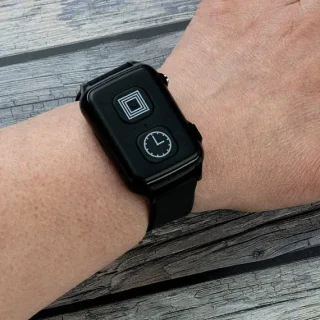
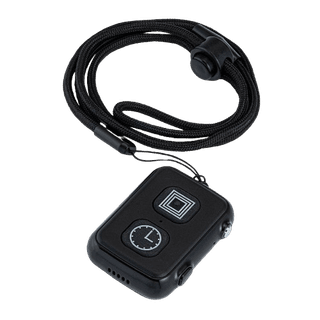
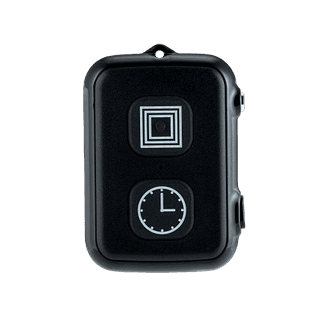
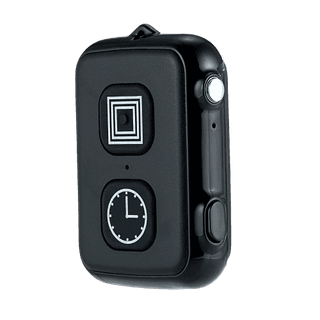
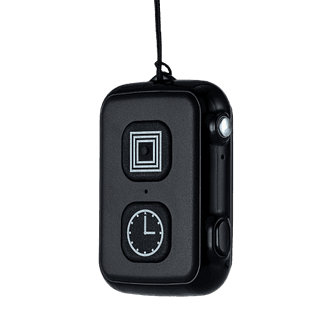
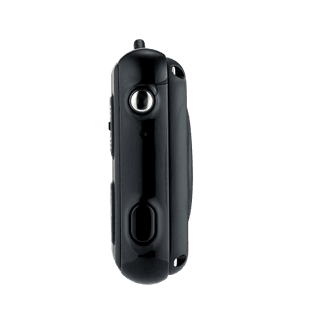
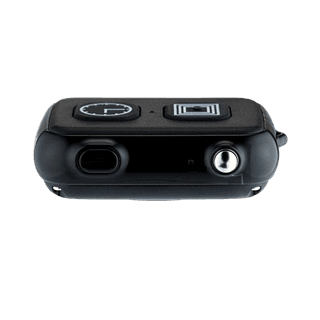
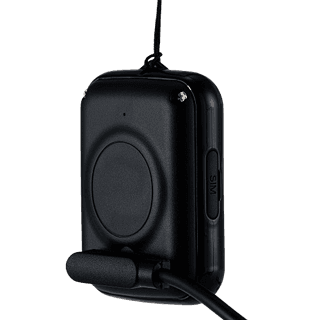


SureSafe Lone Worker Alarm
Dedicated protection for higher-risk lone workers
A wearable lone worker alarm with GPS tracking, one-touch SOS activation and automatic fall detection. Designed to help employees working alone request assistance quickly, without relying on a smartphone.
Choose self-monitoring or 24/7 professional monitoring to suit your organisation's requirements.
 One-touch SOS alarm
 Automatic fall detection
 GPS location tracking
 Two-way voice communication
 24/7 professional or self-monitoring
Help when an employee may be unable to press SOS
The pendant's fall detection technology can recognise certain falls and automatically raise an alert, helping employees request assistance even when they may be unable to activate the SOS button themselves.
Choose who responds when help is needed
Connect your lone worker alarm to a professional monitoring service operating around the clock, or use nominated colleagues and your own internal response arrangements.
Help responders identify where assistance is needed
GPS and supported location technology provide location information when an alert is raised, helping responders establish where the employee may require assistance.
Speak directly through the alarm
The built-in speaker and microphone allow the employee to communicate through the device with the person responding to their alert, without needing a separate telephone.
A simple way to request assistance
When an employee feels threatened, becomes unwell or experiences an accident, they can activate an SOS alert using the dedicated button.
Key Information
SureSafe Lone Worker Alarm

SureSafe Lone Worker Alarm
A Dedicated Personal Safety Device for Lone Workers
The SureSafe Lone Worker Alarm is a wearable personal safety device designed for employees working alone, remotely or in higher-risk environments.
Sometimes referred to as a man down alarm, the device combines one-touch SOS activation, GPS location tracking, two-way speech and automatic fall detection in a compact, portable format.
Unlike a smartphone-based lone worker app, the dedicated alarm operates independently of an employee's personal phone. This can make it a practical choice for roles where carrying, accessing or using a smartphone may be difficult.
When an alarm is activated, the device connects to the selected response arrangement so the employee can request assistance and, where possible, communicate directly with the responder.
Designed for Everyday Working Environments
The SureSafe Lone Worker Alarm is suitable for employees who:
- Work independently or away from colleagues.
- Carry out duties in isolated locations.
- Operate in environments where accidents or falls are a concern.
- Work outside normal business hours.
- Need a physical SOS button that is readily accessible.
- Would benefit from a dedicated device rather than a smartphone-based solution.
Raise an alert using the physical SOS button.
The pendant can detect certain falls and initiate an alert without requiring manual activation.
Share available location information to help responders identify where assistance is needed.
Speak directly through the alarm using its built-in speaker and microphone.
Carry the alarm between workplaces, customer locations and other working environments.
Choose the response arrangement that best suits your organisation.
Designed to tolerate everyday exposure to water within the device's operating specifications.
The existing product specification states approximately three to four days of battery life under suitable operating conditions. Actual battery life depends on usage and enabled features.
Supported location-management features can help organisations manage location-based alerts where configured.
The portable device does not require a fixed telephone line or permanent installation.
What's included
- SureSafe Lone Worker Alarm pendant
- Adjustable neck cord
- Charging base
- Charging cable
- Instruction manual
Specifications
- Device type Wearable lone worker alarm
- SOS activation Physical button
- Location GPS and supported location technologies
- Communication Built-in speaker and microphone
- Fall detection Available
- Dimensions 66 × 44 × 16 mm
- Weight Approximately 45 g
- Battery life Up to approximately 3–4 days, depending on use
- Monitoring Self or 24/7 professional
What's included
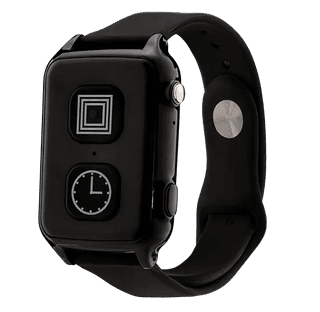
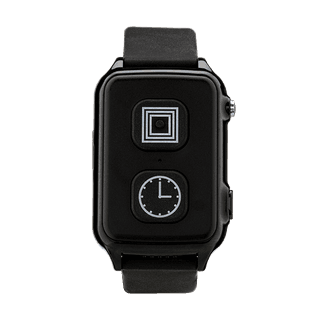
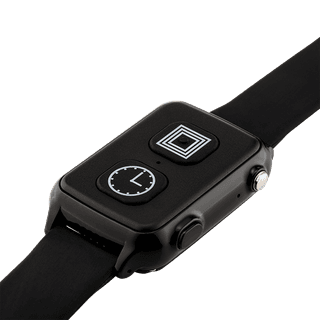
- SureSafe Lone Worker Alarm watch
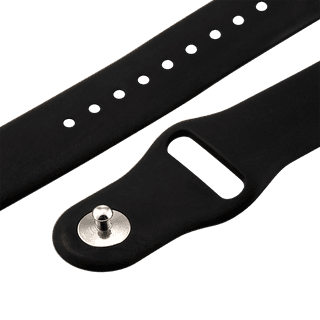
- Silicone watch strap
- Charging unit
- Instruction manual
Specifications
- Device type Wrist-worn lone worker alarm
- SOS activation Physical button
- Location GPS
- Communication Built-in speaker and microphone
- Dimensions 47 × 35 × 15 mm
- Weight Approximately 38 g
- Monitoring Self or 24/7 professional
Not Sure Whether You Need a Dedicated Lone Worker Alarm?
Different roles require different levels of protection. SureSafe offers three solutions to help you choose the most appropriate option for your employees.
Lone Worker App
Simple app-based protection
For employees who carry a compatible smartphone and need a straightforward way to raise an SOS alert.

SureSafe Lone Worker App + Panic Button
Faster, discreet access to help
For mobile and public-facing employees who would benefit from an additional physical SOS button.

SureSafe Lone Worker Alarm
Dedicated protection for higher-risk lone workers
For employees who need a separate safety device with a physical SOS button, GPS location functionality and automatic fall detection.

Lone Worker Protection with 24/7 or Self-Monitoring
The SureSafe Lone Worker Alarm is available with two monitoring options, allowing organisations to choose how alerts are received and managed.
24/7 Professional Monitoring
Trained responders available day and night.
With 24/7 professional monitoring, an alarm activation connects the employee to the professional monitoring service.
The operator can communicate directly through the device, assess the available information and follow the agreed response procedures. This may include contacting nominated colleagues, managers or emergency services where appropriate.
Professional monitoring is particularly valuable for employees working outside normal hours, in isolated locations or where reliable internal response cover cannot always be guaranteed.
Benefits
- Monitoring 24 hours a day, 365 days a year
- Trained alarm response operators
- Two-way communication through the device
- Established escalation procedures
- Reduced reliance on internal colleagues being available
Self-Monitoring
Manage alerts through your own nominated contacts.
With self-monitoring, the alarm is configured to contact nominated individuals or an appropriate internal response arrangement.
If the first contact cannot be reached, the system can attempt additional nominated contacts according to its configuration.
This option can be suitable for organisations with reliable internal procedures and employees available to respond to alerts.
Benefits
- Use your own nominated responders
- Maintain control of internal escalation arrangements
- Flexible response configuration
- Lower monitoring costs
Self-monitoring requires suitable arrangements to ensure alerts are received and acted upon promptly.
How it works?
From Raising an Alert to Getting Help
1. Worker activates alert
2. Location shared
3. Alert received
4. Escalation begins
5. Help dispatched
The precise response process depends on the product, monitoring option, connectivity and agreed escalation arrangements.
Who needs a lone worker device?
Many types of workers and organisations would benefit from having personal alarms for lone workers. These workers will typically be in one of three kinds of risk category.
A dedicated lone worker alarm can be particularly useful where an employee works without nearby colleagues and may need a reliable way to request assistance.
Field engineers, maintenance workers, night cleaners, caretakers, drivers and other mobile employees may work for extended periods without direct supervision.
A wearable alarm provides a dedicated way to request assistance if an incident occurs.
Construction workers, utilities teams, agricultural workers, maintenance staff and others operating around workplace hazards may face an increased risk of accidents or injury.
Features such as SOS activation, location tracking and automatic fall detection can support their wider safety arrangements.
Some employees may have health conditions or individual circumstances that increase the importance of being able to request assistance promptly.
A dedicated lone worker alarm may form part of an individual workplace risk assessment and agreed emergency response plan.

Supporting Lone Workers Across Different Industries

Utilities & Field Services

Health & Social Care

Charities

Construction

Transport & Logistics

Security

Retail

Property / Estate Agents
Why Organisations Trust SureSafe
UK-Based Support
Proven Technology
Solutions for Different Risk Levels
Flexible Monitoring
Professional Monitoring Credentials
Independently Reviewed
Straightforward Purchasing & Deployment
Industry Leading Experience
Frequently Asked Questions
A lone worker alarm is a safety device designed to help an employee request assistance while working without close or direct supervision. The SureSafe Lone Worker Alarm provides a physical SOS button, GPS location functionality and two-way communication, with a choice of monitoring arrangements.
A man down alarm is a safety device capable of automatically raising an alert when it detects certain events, such as a fall. The SureSafe pendant includes automatic fall detection, which can help request assistance if an employee is unable to press the SOS button.
No. The dedicated alarm is designed to operate independently of an employee's personal smartphone. This makes it different from SureSafe's app-based Lone Worker solutions.
Yes. The device uses GPS and supported location technology to provide location information when assistance is required. Accuracy and availability depend on the operating environment and connectivity.
The pendant includes automatic fall detection, designed to recognise certain falls and initiate an alert. No fall detection system can guarantee that every incident will be detected.
Yes. The device includes a speaker and microphone, allowing two-way communication with the person responding to an alert.
The alarm initiates contact with the selected monitoring arrangement. The responder can assess the available information, communicate with the employee where possible and follow the appropriate escalation procedures.
We generally recommend 24/7 professional monitoring where employees work in higher-risk or isolated environments, particularly when an organisation cannot guarantee that nominated colleagues will always be available to respond. Self-monitoring may be suitable where reliable internal response arrangements are already in place.
Yes. With self-monitoring, the device can be configured to contact nominated individuals. Professional monitoring can also involve contacting nominated colleagues or managers as part of agreed escalation procedures.
Where appropriate, trained monitoring operators can initiate emergency escalation in accordance with their procedures. The response will depend on the circumstances and information available.
Accidental activations can occur. Depending on the device and monitoring arrangement, the alert may be cancelled using the appropriate controls or the employee can explain to the responder that assistance is not required.
The alarm requires suitable communications connectivity to transmit alerts. Coverage and performance depend on the location, network availability and operating conditions. Connectivity should be considered when selecting equipment for remote environments.
The existing SureSafe product information states approximately three to four days of battery life under suitable conditions. Actual performance depends on usage, signal conditions and enabled features, including location-related functions.
The device is described as water-resistant rather than fully waterproof. It should be used within the manufacturer's stated water-resistance specifications.
No fixed installation is required. The device must be charged, configured and tested before use, and employees should understand how to activate an alert.
Yes. SureSafe can assist organisations with understanding how the device operates and the relevant setup and usage requirements. Training arrangements for larger deployments can be discussed with the Lone Worker team.
Yes. Organisations can purchase multiple devices online. For larger deployments, our Lone Worker team can discuss workforce requirements, monitoring arrangements and applicable volume pricing.
UK employers must assess and manage workplace risks, including risks associated with working alone. There is no general legal requirement for every lone worker to carry a specific alarm, but an appropriate alarm may form part of the measures identified through a lone worker risk assessment.
Both formats provide wearable SOS protection and location functionality. The pendant is designed to be worn around the neck, while the watch is worn on the wrist. Certain features and specifications differ between the two versions, so the appropriate option should be selected based on the employee's requirements.
Ready to Protect Higher-Risk Lone Workers?
Give your employees a dedicated way to request assistance when they're working alone.
Choose the SureSafe Lone Worker Alarm online, or speak with our team about the most appropriate solution and monitoring arrangements for your workforce.

Speak to the Lone Worker team
or call 0808 304 7562 — Mon–Fri, 9am–5pm


